
Kashmiri Wedding Traditions: A Cultural Insight for Travelers
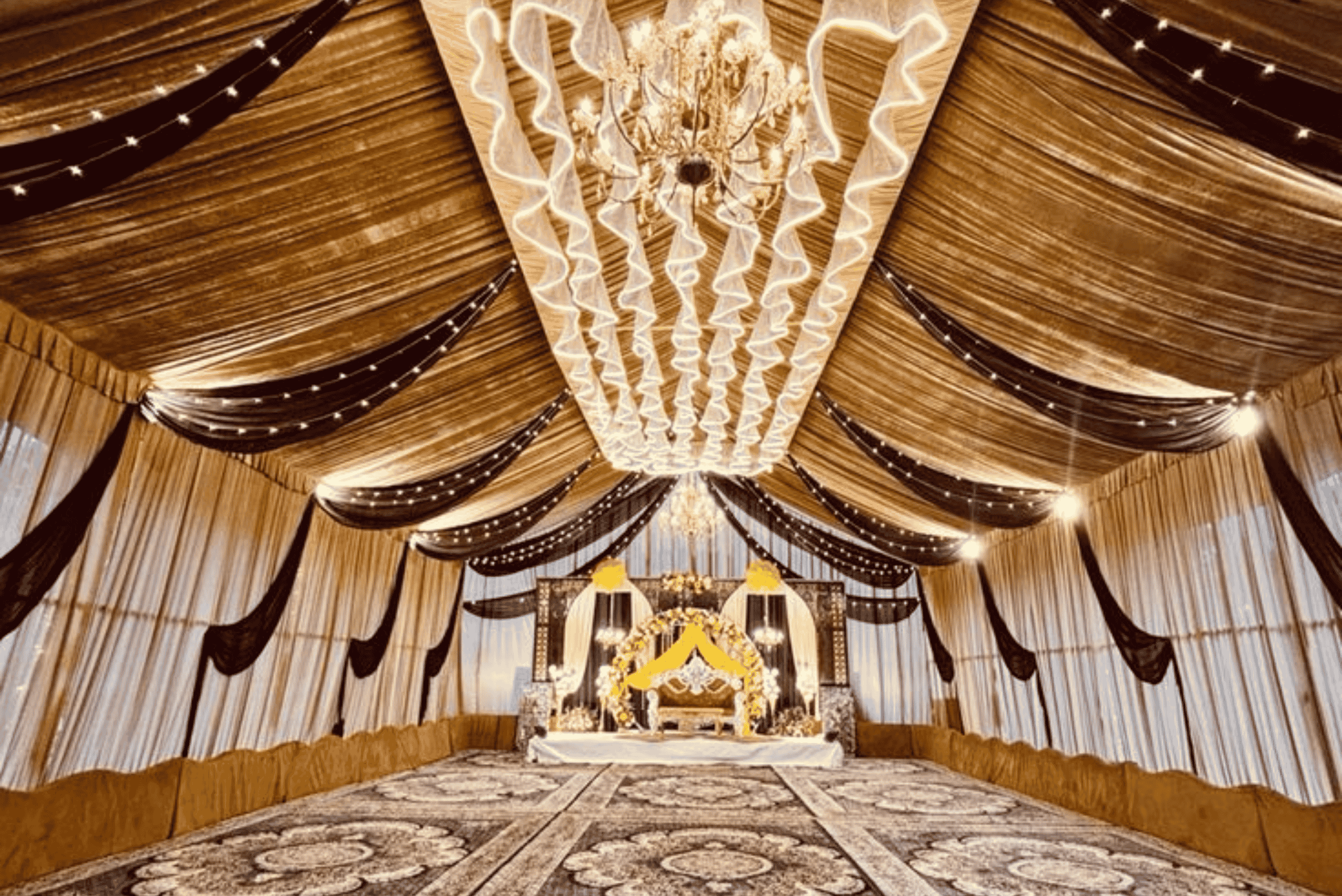
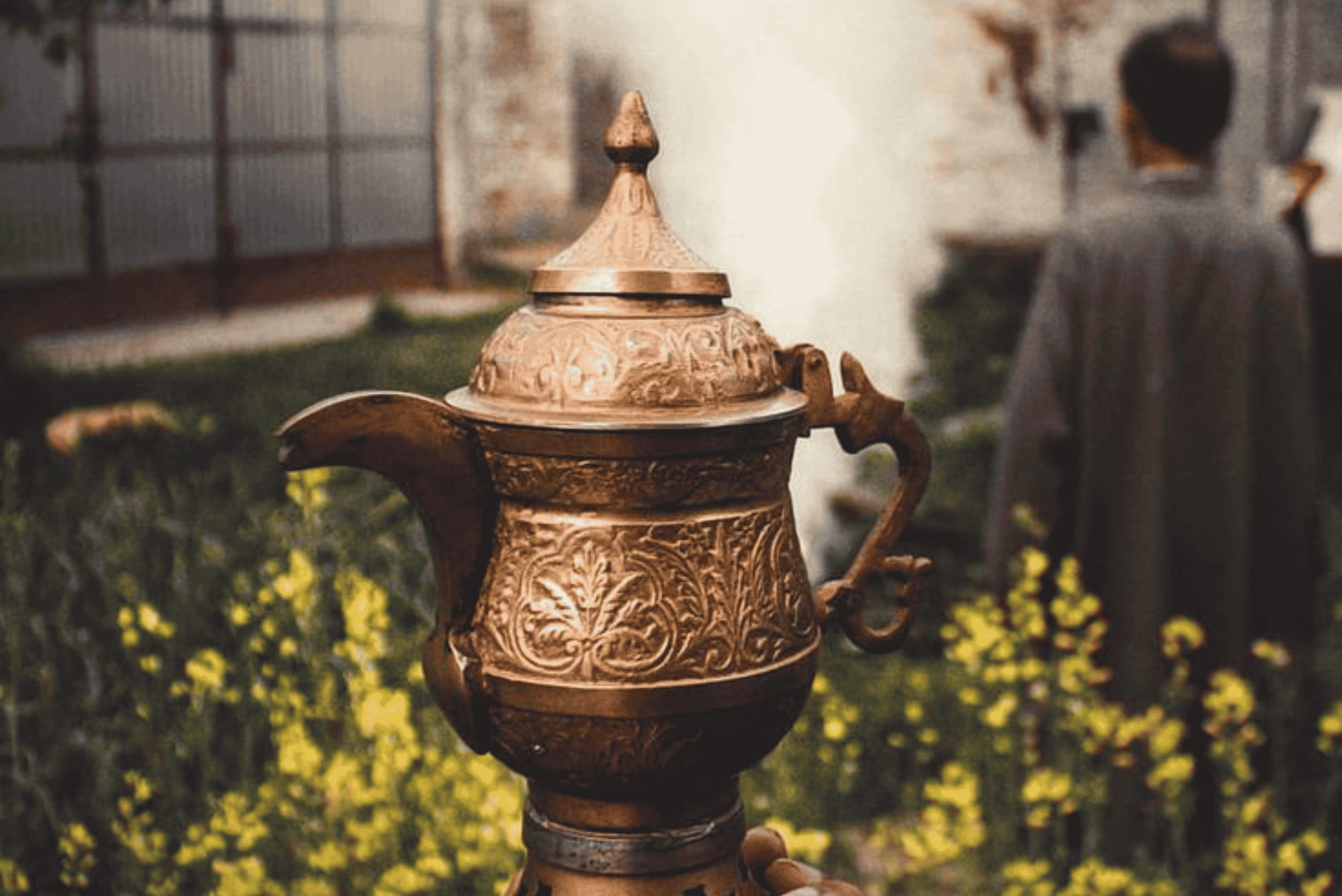
When you picture Kashmir, you probably imagine snow-capped mountains. You might also visualize the serene Dal Lake. However, the true heartbeat of the valley lies in its people. For a traveler, witnessing a Kashmiri wedding is special. It feels like stepping into a living painting. Indeed, it is an explosion of color, ancient rituals, and incredible food.
If you receive an invitation during your trip to Srinagar, accept it immediately. To help you understand the event, here is a guide to Kashmiri wedding traditions.
The Foundation: More Than Just a Ceremony
In Kashmir, a wedding is not just a union of two people. Rather, it represents the joining of two families. Locals call this ceremony “Khandar” in the Kashmiri language.
Interestingly, the process often begins with a Manzimyo (matchmaker). Even today, families rely on these social connectors. Once the families agree, they exchange flowers and sweets. Consequently, this seals the promise, known as Kasam Dry.
Pre-Wedding Rituals: The Buildup
The excitement starts days before the actual event. Unlike Western weddings, Kashmiri celebrations stretch over several days.
Livun (The Cleansing)
First, the families perform Livun. This is the traditional cleaning of the bride and groom’s houses. The family washes the floors and brightens the home. As a result, the entire neighborhood knows a celebration is coming.
Maenziraat (The Henna Night)
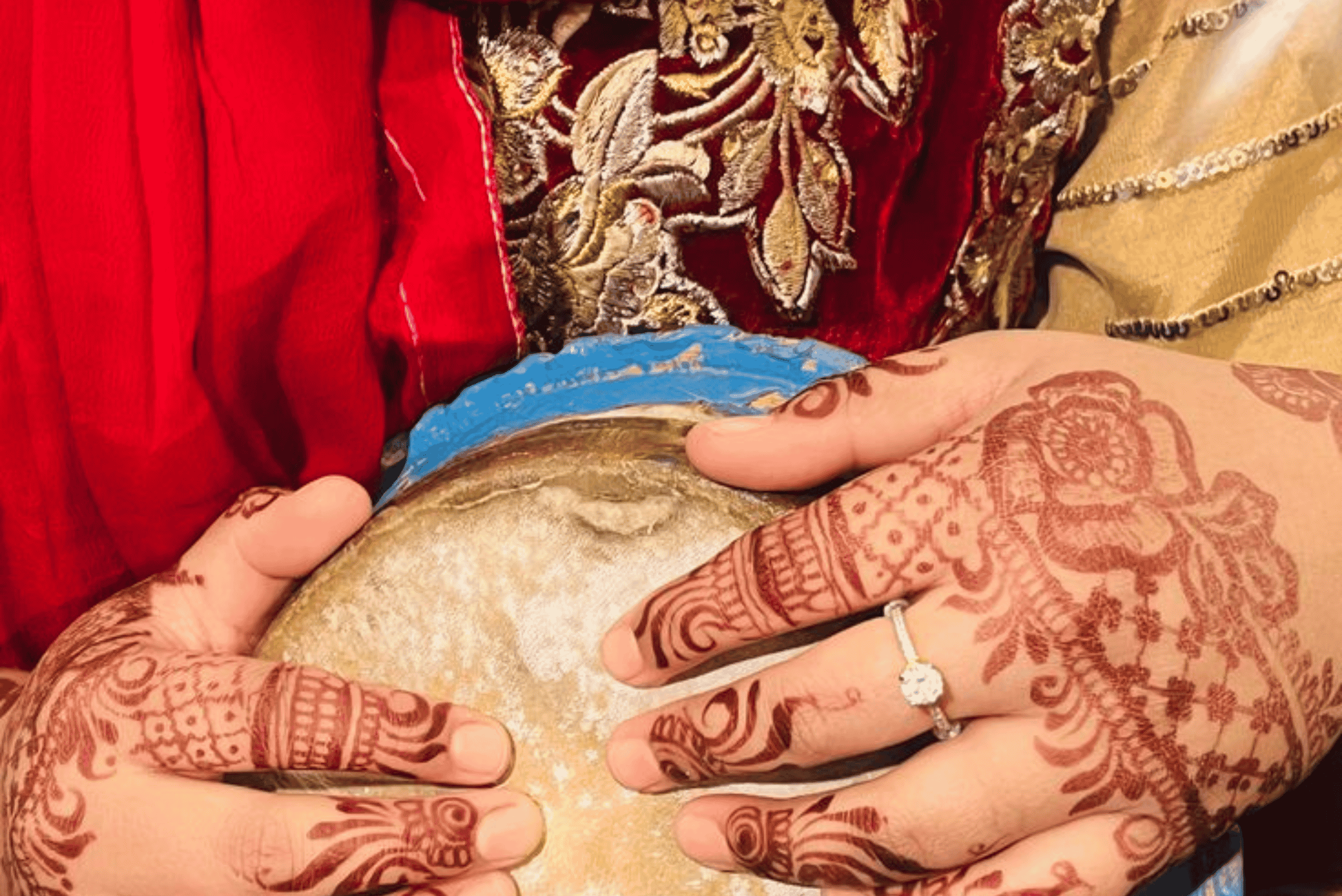
Next comes the Maenziraat. This is a favorite event for travelers and photographers. During this evening, artists apply intricate henna (Mehendi) to the bride’s hands.
Meanwhile, older women sing traditional folk songs called Wanvun. These songs are rhythmic and soulful. Thus, the atmosphere buzzes with energy. You will also smell the aroma of brewing Kahwa (traditional tea).
The Wazwan: A Feast Fit for Royalty
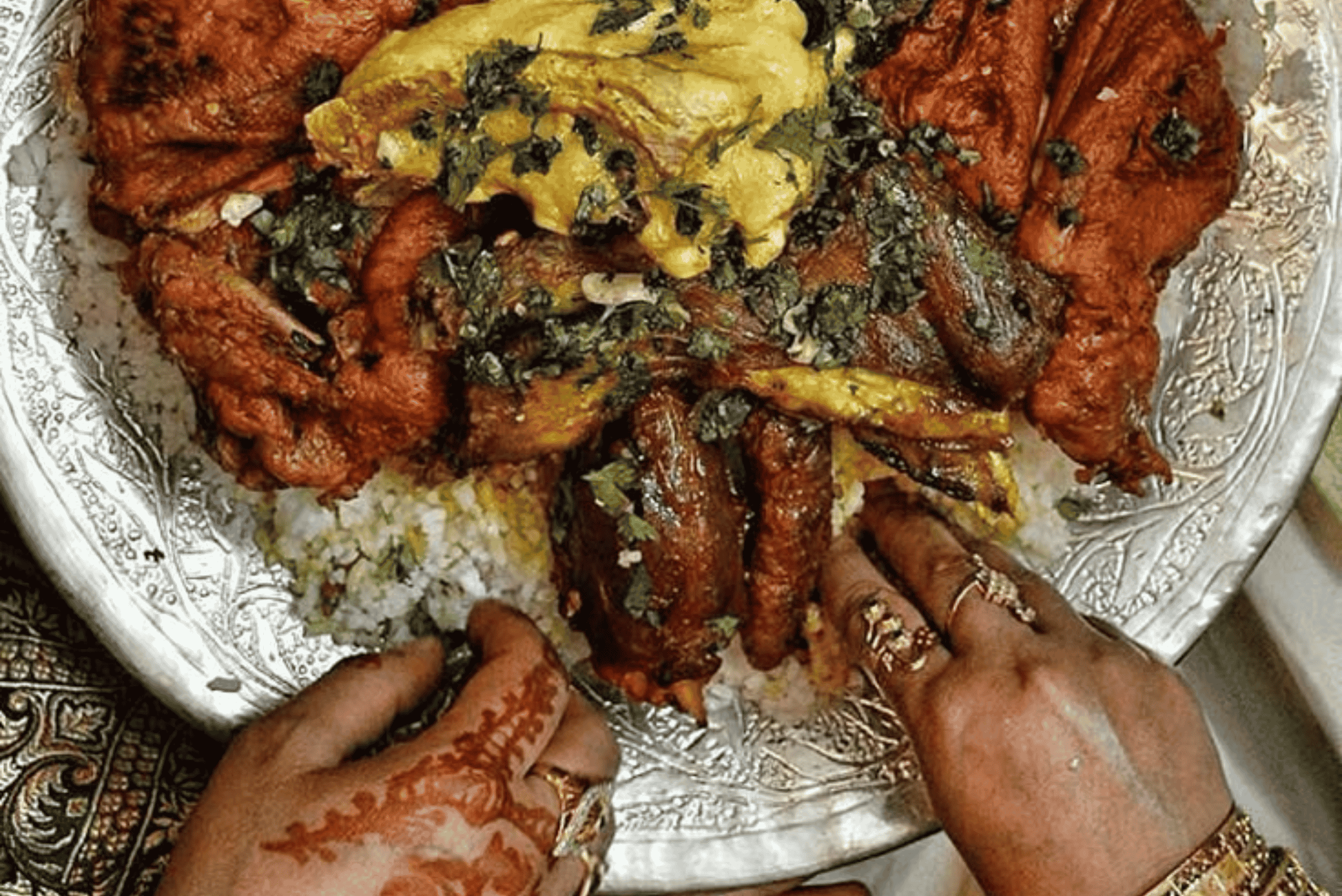
You cannot discuss a Kashmiri wedding without mentioning the Wazwan. For food lovers, this is the highlight. In fact, the Wazwan is not just a meal. It is a culinary art form with up to 36 courses.
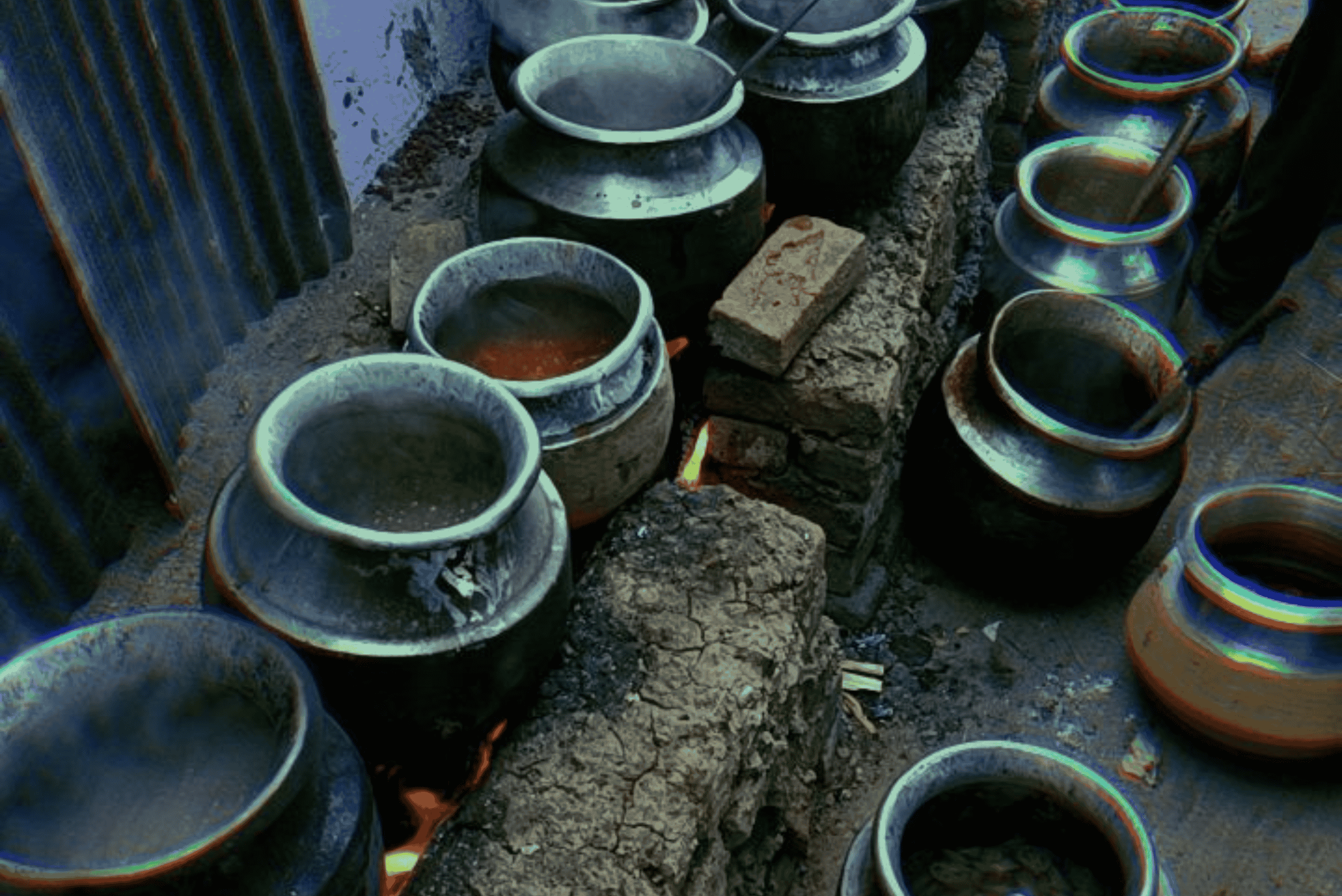
Master chefs, known as Wazas, prepare this feast. They cook overnight over wood fires. Therefore, the scent of fennel and saffron fills the air.
How You Eat
Guests sit in groups of four on the floor. They share a large copper platter called a Tram. This style emphasizes brotherhood.
Washing Hands: First, attendants bring a portable basin. Hence, guests can wash their hands right where they sit.
The Courses: Then, the feast begins. It starts with rice and soft kebabs. Subsequently, the Wazas serve dishes like Rista (meatballs in red gravy) and Rogan Josh (spiced lamb).
Traveler Tip: Pace yourself. The Wazas serve many courses. Furthermore, refusing food is often seen as impolite.
Traditional Attire: A Visual Spectacle
Fashion plays a huge role in these weddings. Specifically, the bride looks stunning in a Pheran. This is a traditional loose gown. It features heavy embroidery with gold and silver threads.
In addition, the jewelry is breathtaking. For example, Kashmiri Pandit brides wear the Dejharoo. This gold ornament hangs from the upper ear. Similarly, Muslim brides often wear elaborate headgear known as Kasaba.
On the other hand, the groom looks regal in a sherwani. The contrast of vibrant clothing against Srinagar’s scenery makes for amazing photos.
The Main Event: Nikkah and Rukhstati
Finally, the wedding day arrives. The groom comes with a procession called the Barat. Friends and family accompany him. Naturally, they dance and cheer along the way.
After they exchange religious vows (Nikkah), the finale occurs. This is the Rukhstati. It marks the departure of the bride. Undoubtedly, it is a bittersweet moment. There are often tears as she leaves her parental home.
However, the mood lightens quickly. Soon, she arrives at her new home. The groom’s family welcomes her with love. Often, they offer sweets to ward off evil eyes.
Why This Matters for Travelers
Experiencing these traditions offers a deep connection to Kashmir. It goes beyond a standard sightseeing tour. You see the hospitality and the joy of the community.
Therefore, if you visit Srinagar during the wedding season, keep your eyes open. You might hear the beat of the Tumbaknari (goblet drum).
